
Most homeowners don’t lose money because of major disasters. They lose money because of small problems they didn’t notice until they became major disasters.
A tiny roof leak turns into water-damaged ceilings. A blocked gutter leads to foundation issues. Cracked paint exposes timber to moisture, resulting in expensive repairs that could have been prevented with routine maintenance.
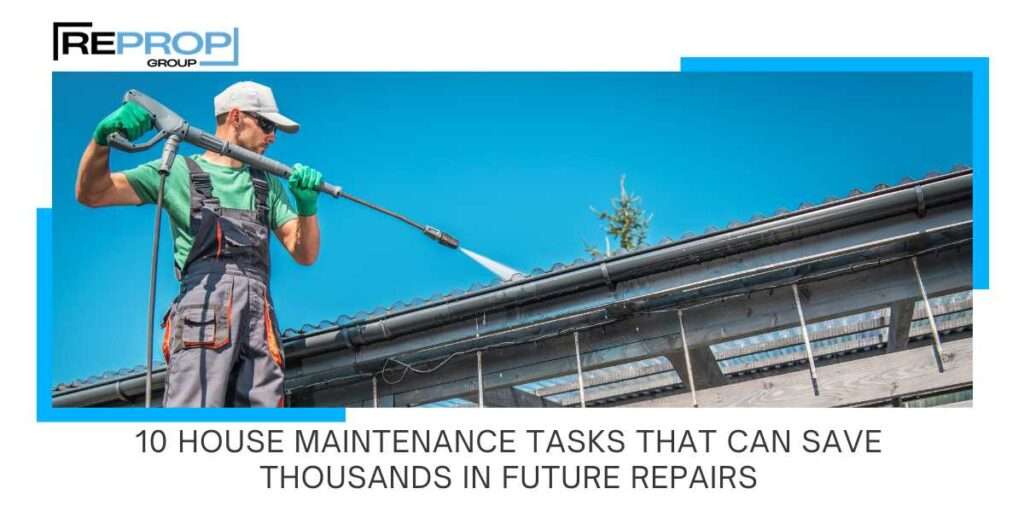
The reality is that homes rarely fail overnight. Most costly repairs are the result of years of neglect, deferred maintenance, or seemingly minor issues that gradually worsen over time.
Whether you own a family home, an investment property, or are planning to sell in the future, staying ahead of maintenance issues can protect both your property’s value and your wallet.
Here are ten house maintenance tasks that can help prevent costly repairs and extend the life of your home.
1. Inspect Your Roof Before Problems Become Visible
One of the biggest mistakes homeowners make is waiting until water stains appear inside the house before checking the roof.
By the time moisture reaches your ceiling, the damage often extends far beyond a single leak. Damaged insulation, mould growth, rotting timber, and plaster repairs can quickly add thousands of dollars to the repair bill.
At least twice a year, inspect your roof for:
- Cracked or displaced tiles
- Rusting metal sheets
- Loose ridge caps
- Damaged flashing
- Signs of water pooling
Particularly after storms or strong winds, a quick inspection can reveal issues before they become major structural concerns.
2. Keep Gutters and Downpipes Clear
Blocked gutters are one of the most underestimated causes of property damage.
When gutters overflow, water can enter roof cavities, damage fascia boards, erode foundations, and create ideal conditions for mould growth.
Many homeowners focus on fixing visible water damage without addressing the blocked drainage system that caused the issue in the first place.
Regular cleaning helps ensure water is directed safely away from the home.
Pay special attention during autumn when leaves and debris accumulate quickly.
3. Monitor Exterior Paint Condition
Most people think paint is purely cosmetic.
In reality, exterior paint acts as one of your home’s first lines of defence against Australia’s harsh weather conditions.
When paint begins to crack, peel, or blister, moisture can penetrate underlying materials. Timber surfaces are especially vulnerable to swelling, rot, and premature deterioration.
A common mistake is delaying repainting because the house still “looks okay” from a distance.
In many cases, repairing damaged timber costs significantly more than repainting at the appropriate time.
Regular inspections of weatherboards, trims, window frames, and external surfaces can identify early warning signs before damage spreads.
4. Check for Small Plumbing Leaks
A dripping tap may seem harmless, but hidden plumbing leaks often cause some of the most expensive property damage.
Leaks beneath sinks, inside walls, under flooring, or around toilets can remain unnoticed for months.
Over time they may cause:
- Water damage
- Timber decay
- Mould growth
- Rising water bills
- Structural deterioration
One overlooked leak can create extensive remediation costs that far exceed the expense of a simple repair.
Inspect exposed pipes regularly and investigate unexplained increases in water consumption.
5. Seal Gaps Around Windows and Doors
Small gaps around windows and doors can lead to more than just higher energy bills.
These openings allow:
- Moisture intrusion
- Pest access
- Heat loss
- Draughts
- Water penetration during storms
Over time, repeated moisture exposure can damage surrounding timber, plaster, and flooring.
Many homeowners are surprised to discover that a simple sealant replacement could have prevented years of gradual deterioration.
Check seals annually and replace cracked or deteriorating caulking where required.
6. Watch for Early Signs of Foundation Movement
Foundation problems rarely appear without warning.
Common early indicators include:
- Cracks in walls
- Sticking doors
- Uneven floors
- Window alignment issues
- Expanding gaps around frames
While not every crack signals a serious problem, ignoring changes can allow structural issues to worsen significantly.
One of the most overlooked causes of foundation movement is poor drainage around the property.
Ensuring water flows away from the home is one of the simplest preventative measures homeowners can take.
7. Service Heating and Cooling Systems
Many homeowners only think about their air conditioning or heating system when it stops working.
Unfortunately, by that stage, repairs are often more expensive and emergency call-out fees may apply.
Routine servicing helps:
- Improve efficiency
- Reduce running costs
- Extend equipment lifespan
- Identify worn components early
Dirty filters, blocked vents, and neglected systems can place unnecessary strain on equipment, increasing the likelihood of breakdowns during peak seasons.
Preventative servicing is almost always cheaper than emergency replacement.
8. Control Moisture in Wet Areas
Bathrooms, laundries, and kitchens experience constant exposure to moisture.
Over time, failed waterproofing, deteriorating grout, or damaged silicone seals can allow water to penetrate hidden areas.
What starts as a small issue may eventually result in:
- Mould infestations
- Rotten framing
- Damaged cabinetry
- Floor replacement
- Extensive waterproofing repairs
Regularly inspect wet areas for:
- Cracked grout
- Loose tiles
- Water staining
- Peeling paint
- Musty odours
Early intervention is far less costly than major remediation work.
9. Trim Trees and Vegetation Near the Home
Trees provide shade and improve street appeal, but poorly maintained vegetation can create expensive risks.
Overhanging branches may:
- Damage roofs during storms
- Block gutters
- Scratch painted surfaces
- Increase moisture retention
Tree roots can also interfere with drainage systems and foundations.
One common oversight is allowing vegetation to grow directly against exterior walls, trapping moisture and creating conditions that encourage mould and timber decay.
Regular pruning helps minimise these risks while maintaining the health of surrounding landscaping.
10. Conduct an Annual Property Health Check
Many homeowners react to problems rather than actively looking for them.
An annual property inspection allows you to identify small issues before they become major expenses.
A comprehensive inspection should include:
- Roof condition
- Gutters and drainage
- Exterior paintwork
- Plumbing fixtures
- Windows and doors
- Foundation signs
- Wet areas
- Outdoor structures
Homeowners who schedule regular inspections often spend less on repairs over the long term because problems are addressed while they remain manageable.
This approach is particularly valuable for house maintenance Melbourne property owners, where changing weather conditions can place additional stress on building materials throughout the year.
Why Preventative Maintenance Always Costs Less
The most expensive repairs are rarely caused by unexpected events.
More often, they result from maintenance tasks that were postponed for months or years.
A blocked gutter can lead to foundation issues.
A cracked paint surface can expose timber to moisture damage.
A small leak can develop into extensive mould remediation.
The lesson is simple: minor maintenance today can prevent major repair bills tomorrow.
Rather than viewing maintenance as an expense, experienced property owners treat it as an investment in protecting their home’s value, structural integrity, and long-term performance.
Conclusion
Protecting your home doesn’t always require major renovations or significant spending. In many cases, it’s the small, consistent maintenance tasks that deliver the biggest financial savings over time. By identifying potential problems early and addressing them before they escalate, homeowners can avoid costly repairs and preserve the value of their property for years to come.
For homeowners looking to maintain and protect their property’s exterior, professional painting and maintenance services from Reprop Group can help safeguard surfaces against weather-related wear while enhancing the overall appearance and longevity of the home.