
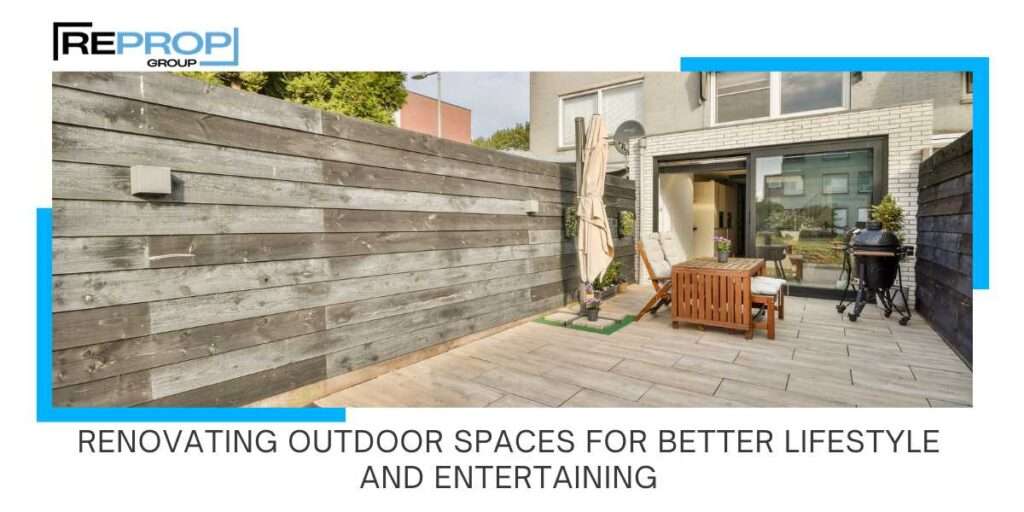
Outdoor spaces have evolved far beyond a simple backyard with a lawn and a barbecue. Today, homeowners are increasingly viewing their outdoor areas as extensions of their living space—places where families gather, friends connect, children play, and everyday life unfolds.
Yet many outdoor renovations fail to deliver the lifestyle improvements homeowners envision. The issue is rarely a lack of budget or ambition. More often, it’s because the renovation focuses on features rather than how people actually live and entertain.
The most successful outdoor transformations aren’t necessarily the most expensive. They’re the ones designed around human behaviour, comfort, functionality, and long-term enjoyment.
Why Outdoor Living Has Become More Important Than Ever
The way Australians use their homes has changed significantly over the past decade. Outdoor areas are no longer reserved for occasional summer gatherings. They have become year-round lifestyle spaces that support relaxation, socialising, remote work, exercise, and family time.
This shift has led many homeowners to rethink how their outdoor environments function.
Rather than asking, “What should we build?” the better question is:
“How do we want to live?”
The answer often reveals opportunities that go far beyond adding a deck or replacing old paving.
For some households, it’s creating a peaceful retreat from a busy work schedule. For others, it’s designing a welcoming space for entertaining guests without feeling cramped or disconnected from the main house.
The most effective outdoor renovations start with lifestyle goals, not construction plans.
The Biggest Mistake Homeowners Make When Renovating Outdoor Areas
One common mistake is prioritising visual appeal over usability.
Many outdoor spaces look impressive in photographs but become frustrating in daily life.
Consider a large entertaining area with minimal shade. It may appear stunning during a property photoshoot, but on a hot Melbourne afternoon, guests naturally retreat indoors.
Similarly, homeowners often install premium outdoor furniture without considering traffic flow, weather exposure, or maintenance requirements.
Before selecting materials or features, evaluate how the space will actually be used:
- How many people typically gather there?
- Will children use the area regularly?
- Is outdoor dining a priority?
- How much maintenance are you willing to undertake?
- How often do you entertain during evenings?
Answering these questions creates a far stronger foundation for renovation decisions.
Designing Outdoor Spaces Around Real-Life Entertaining
Entertaining is often cited as the primary reason for outdoor renovations, yet many designs overlook the practical realities of hosting guests.
Successful entertaining spaces usually incorporate multiple zones rather than a single open area.
These may include:
- Dining spaces
- Conversation areas
- Outdoor cooking zones
- Relaxation spaces
- Children’s activity areas
This zoning approach naturally encourages movement and interaction while preventing overcrowding.
One frequently overlooked consideration is visibility between indoor and outdoor spaces. Hosts rarely want to feel isolated while preparing food or serving drinks.
Creating visual and physical connections between the kitchen, dining area, and outdoor entertaining zones can dramatically improve the experience for both homeowners and guests.
The Power of Shade and Shelter
Few outdoor upgrades provide a greater lifestyle impact than effective weather protection.
Australian weather can be unpredictable. A beautifully designed outdoor area quickly loses its appeal if it’s unusable during intense summer heat, rain, or strong winds.
Rather than treating shade as an afterthought, it should be a core design element.
Options may include:
- Pergolas
- Retractable awnings
- Covered alfresco areas
- Architectural shade structures
- Strategic tree planting
The goal is not simply blocking sunlight but creating comfortable environments that encourage people to spend more time outdoors.
In many cases, homeowners discover that adding quality shelter significantly increases how often they use their outdoor spaces throughout the year.
Creating Spaces That Work During the Day and Night
Many outdoor renovations focus almost exclusively on daytime use.
However, some of the most memorable gatherings occur after sunset.
Thoughtful lighting design can completely transform the atmosphere and functionality of an outdoor area.
Rather than relying on a single bright light source, layered lighting creates a more welcoming environment.
Consider combining:
- Ambient lighting
- Pathway lighting
- Feature lighting
- Dining area illumination
- Garden accent lighting
Good lighting not only improves aesthetics but also enhances safety and usability.
It’s one of the most underestimated elements in outdoor renovation projects.
Choosing Materials for Long-Term Enjoyment
A common misconception is that premium materials automatically deliver the best outcome.
In reality, the ideal material selection depends on lifestyle, climate, maintenance expectations, and intended use.
For example, natural timber may provide warmth and character, but it requires ongoing care. Composite alternatives can offer lower maintenance while still delivering an attractive appearance.
The best decision is often the one that aligns with how homeowners actually want to live.
When selecting materials, consider:
- Durability
- Maintenance requirements
- Weather resistance
- Slip resistance
- Comfort underfoot
- Visual integration with the home
A renovation should continue to perform well years after completion, not just immediately after installation.
The Growing Importance of Outdoor Wellness Spaces
An emerging trend in outdoor renovation is the creation of wellness-focused environments.
People increasingly want outdoor spaces that support mental wellbeing, relaxation, and personal enjoyment.
This doesn’t necessarily require major investments.
Simple additions can make a significant difference:
- Quiet garden retreats
- Reading nooks
- Meditation spaces
- Water features
- Comfortable seating areas
- Green landscaping
These elements encourage homeowners to spend more time outdoors and make better use of their property.
The value of an outdoor space is often measured not by its size, but by how it makes people feel.
Landscaping Should Support Lifestyle, Not Just Appearance
Landscaping is frequently approached as a finishing touch.
In reality, it should be integrated into the overall design strategy from the beginning.
Plants, trees, and garden features influence:
- Privacy
- Shade
- Noise reduction
- Visual appeal
- Comfort
- Property value
One often overlooked principle is creating manageable landscapes.
Many homeowners fall in love with ambitious garden concepts only to discover they require extensive upkeep.
A well-designed landscape should enhance lifestyle rather than create additional responsibilities.
Outdoor Renovations and Property Value
While lifestyle benefits often drive renovation decisions, property value remains an important consideration.
Buyers increasingly place significant value on functional outdoor living areas.
However, value isn’t determined solely by the amount spent.
A practical, thoughtfully designed outdoor environment often delivers stronger returns than highly customised features that appeal to a limited audience.
This is particularly relevant for homeowners considering a broader property renovation Melbourne project, where indoor and outdoor improvements should work together to create a cohesive living experience.
The strongest value gains typically come from improving usability, functionality, and lifestyle appeal rather than chasing trends.
Thinking Beyond the Immediate Project
One of the smartest approaches to outdoor renovation is planning for future needs.
Consider how your household may change over the next five to ten years.
Questions worth asking include:
- Will children need more space?
- Will entertaining become more frequent?
- Are accessibility considerations important?
- Could the space support future additions?
Designing with flexibility in mind helps ensure the renovation remains relevant long after construction is complete.
Conclusion
A successful outdoor renovation isn’t defined by expensive materials, impressive features, or the latest design trends. It’s measured by how often the space is used and how positively it influences everyday life.
The best outdoor spaces encourage connection, relaxation, and enjoyment while seamlessly supporting the way people live and entertain. By focusing on functionality, comfort, and long-term usability, homeowners can create environments that continue delivering value for years to come.
Whether you’re updating a small courtyard or transforming a large backyard, thoughtful planning and quality workmanship make all the difference. For homeowners looking to elevate their property’s appearance and lifestyle potential, Reprop Group understands the importance of creating beautiful, functional spaces that complement the way modern Australians live.