
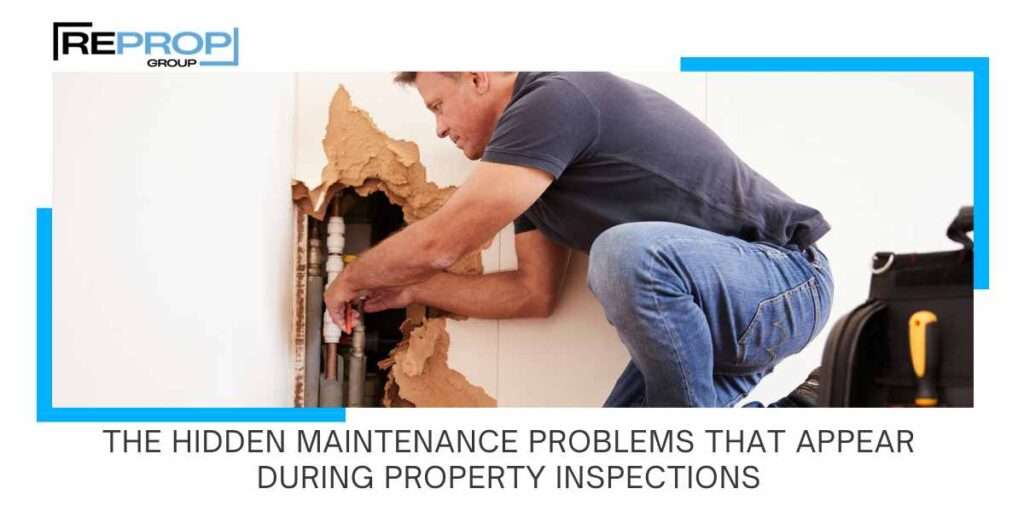
Buying or owning a home in Melbourne often feels straightforward on the surface. A property may present beautifully during an open inspection — fresh paint, polished timber floors, styled interiors, and landscaped gardens can easily create the impression that everything is in excellent condition. But experienced homeowners, property managers, and inspectors across Melbourne know that some of the most expensive problems are the ones hidden behind walls, under floors, inside roofs, or quietly developing over time.
In Melbourne’s unpredictable climate, where homes regularly face heavy rain, shifting temperatures, damp winters, and scorching summers, maintenance issues can escalate quickly if they go unnoticed. What begins as a small water stain or minor crack can eventually turn into structural damage, mould growth, or costly repairs that impact both property value and liveability.
For homeowners, understanding these hidden problems before they become major financial burdens is essential.
Why Hidden Maintenance Issues Are So Common in Melbourne Homes
Melbourne’s housing market is unique because the city contains a wide mix of property styles and construction eras. From Victorian terraces in inner suburbs to post-war brick veneers, modern townhouses, and newly developed estates, each property type comes with its own maintenance vulnerabilities.
Older homes in suburbs like Carlton, Fitzroy, or Brighton may have ageing plumbing systems, outdated wiring, or timber deterioration that isn’t visible during casual inspections. Meanwhile, newer builds in outer growth corridors sometimes reveal drainage issues, waterproofing defects, or rushed workmanship only a few years after construction.
Many homeowners also unknowingly delay preventative maintenance because the issue appears cosmetic rather than structural. Unfortunately, hidden property problems rarely stay small.
Roof Leaks That Stay Invisible for Months
One of the most overlooked issues during inspections is roof leakage.
In Melbourne, roof problems often develop gradually due to storms, clogged gutters, cracked tiles, or ageing flashing around chimneys and skylights. The challenge is that the leak itself may not appear directly beneath the damaged area.
Water can travel through insulation, timber framing, or ceiling cavities before visible signs emerge. By the time homeowners notice bubbling paint or ceiling stains, moisture may already have caused timber rot or mould growth.
Experienced inspectors often identify subtle warning signs including:
- Slight ceiling discolouration
- Damp roof insulation
- Rust around roof penetrations
- Mould smells in upper rooms
- Warped cornices or plaster movement
Properties surrounded by large trees in Melbourne suburbs frequently experience blocked gutters, which increase overflow and hidden water penetration during winter rainfall.
Subfloor Moisture Problems in Older Melbourne Homes
Many Melbourne homes built decades ago contain raised timber floors with subfloor cavities underneath. While these homes often have charm and character, poor ventilation beneath the property can create ongoing moisture problems.
Subfloor moisture commonly develops due to:
- Poor site drainage
- Broken stormwater pipes
- Inadequate ventilation
- Rising damp
- Leaking plumbing
The warning signs are not always obvious initially. Homeowners may first notice squeaky floors, musty smells, or uneven timber movement before realising moisture is accumulating underneath the home.
Over time, prolonged dampness can damage structural timber, attract termites, and contribute to unhealthy indoor air quality.
This is one reason many homeowners now invest in regular preventative inspections and professional property maintenance services Melbourne to identify hidden risks before they become expensive structural issues.
Cracked Walls: Cosmetic or Structural?
Not every wall crack indicates a serious problem, but in Melbourne’s reactive clay soil conditions, certain cracks should never be ignored.
Seasonal soil movement is common across many Melbourne suburbs. During dry periods, soil contracts, while wetter conditions can cause expansion beneath foundations. This constant movement places stress on buildings over time.
Inspectors typically assess:
- Crack direction
- Width progression
- Location around windows and doors
- Ceiling separation
- Brick movement patterns
Hairline plaster cracks are often cosmetic. However, stepped cracks in brickwork, widening gaps around doors, or uneven flooring may indicate foundation movement or structural settlement.
Homes built on sloping blocks or properties with poor drainage are especially vulnerable.
Hidden Plumbing Leaks Behind Walls
Internal plumbing leaks are among the most financially damaging maintenance issues because they often remain concealed for long periods.
A small leaking pipe inside a wall cavity can slowly damage plaster, insulation, timber framing, and flooring before visible symptoms appear.
Common indicators include:
- Sudden increases in water bills
- Peeling paint
- Damp odours
- Mould patches
- Warped flooring
- Reduced water pressure
Melbourne’s older suburbs frequently contain ageing galvanised pipes that corrode internally over time. In some cases, leaks remain undetected until significant wall or flooring repairs are required.
Bathroom waterproofing failures are also extremely common in both older renovations and poorly constructed modern homes. Even minor grout cracking can allow water to seep beneath tiles and compromise surrounding structures.
Mould Problems Hidden Inside Homes
Melbourne’s cooler winters and fluctuating humidity levels create ideal conditions for indoor mould growth.
What makes mould particularly concerning is that much of it develops in areas homeowners rarely inspect:
- Behind wardrobes
- Inside ceiling cavities
- Under carpets
- Behind bathroom walls
- Around poorly ventilated windows
Condensation is a major contributor, especially in tightly sealed modern homes with insufficient airflow. Older homes with poor insulation are equally susceptible.
Beyond damaging surfaces, mould can also impact indoor health and air quality. Families often notice persistent allergies, respiratory irritation, or musty smells long before visible mould becomes obvious.
Professional inspectors frequently identify hidden moisture sources contributing to recurring mould problems rather than simply treating the visible symptoms.
Drainage Problems Around the Property
Drainage issues are a common problem uncovered during Melbourne property inspections. Poor water flow around a home can gradually damage foundations, paving, retaining walls, and subfloors without obvious warning signs.
Inspectors often find problems such as:
- Water pooling near foundations
- Blocked stormwater drains
- Overflowing gutters
- Soil erosion
- Rising damp
- Cracked external paving
Melbourne’s clay-heavy soil can make these issues worse, as constant moisture changes cause the ground to expand and contract, leading to movement and cracking around the property.
Many landlords only notice drainage problems after tenants report damp smells, mould, or moisture damage inside the home. This is why many property owners now rely on professional property maintenance services Melbourne providers to identify drainage issues early before they turn into expensive structural repairs.
Electrical Problems in Older Properties
Electrical issues are another hidden concern that property inspections frequently uncover.
Older Melbourne homes may still contain outdated wiring systems that no longer meet modern safety standards. While everything may appear functional on the surface, ageing electrical infrastructure can increase fire risks and insurance complications.
Inspectors commonly identify:
- Old switchboards
- Non-compliant safety switches
- Deteriorated wiring
- Overloaded circuits
- DIY electrical work
Properties that have undergone multiple renovations over several decades sometimes contain patchwork electrical modifications that create long-term safety concerns.
Modern households also place far greater electrical demand on homes than properties were originally designed to handle decades ago.
Termite Damage That Goes Undetected
Although termites are often associated with warmer climates, Melbourne properties are certainly not immune.
The most dangerous aspect of termite activity is how quietly it develops. In many cases, significant structural timber damage exists before homeowners notice any external signs.
Termites are attracted to:
- Damp timber
- Poor drainage
- Untreated wood
- Subfloor moisture
- Garden beds against walls
Inspectors often discover damage inside roof cavities, subfloors, or wall framing where activity remains hidden for years.
Regular timber pest inspections are particularly important for older homes with timber framing or properties located near bushland and established vegetation.
The Impact of Deferred Maintenance on Property Value
One of the biggest mistakes homeowners make is postponing smaller repairs until they become urgent.
In Melbourne’s competitive property market, buyers are becoming increasingly cautious about hidden maintenance risks. Building inspections now play a major role in negotiations, and unresolved issues can significantly reduce buyer confidence.
Even relatively small unresolved problems can affect:
- Property valuation
- Buyer interest
- Insurance approvals
- Rental appeal
- Long-term repair costs
A leaking gutter ignored for two years may eventually require internal plaster replacement, timber repairs, repainting, and mould remediation.
Preventative maintenance is almost always more affordable than reactive repairs.
Why Professional Inspections Matter More Than Ever
Many hidden problems simply cannot be identified during casual walkthroughs or standard open inspections.
Professional inspectors use specialised knowledge and experience to assess:
- Structural movement
- Moisture intrusion
- Roof integrity
- Drainage performance
- Electrical safety
- Plumbing systems
- Ventilation risks
For Melbourne homeowners, regular inspections are becoming increasingly valuable as properties age and weather patterns become more extreme.
Well-maintained homes also tend to perform better in the market, attract stronger buyer confidence, and retain long-term value more effectively.
Preventative Maintenance Is a Long-Term Investment
Experienced property owners understand that maintenance is not simply about fixing problems after they appear. The real value lies in identifying risks early.
Simple preventative actions can significantly reduce future repair costs, including:
- Cleaning gutters regularly
- Checking roof conditions annually
- Monitoring drainage after storms
- Inspecting bathrooms for waterproofing issues
- Maintaining ventilation
- Repairing small cracks early
- Scheduling routine inspections
Melbourne’s climate can be harsh on residential properties, particularly homes exposed to coastal conditions, mature trees, or shifting soil conditions.
Preventative care protects not only the physical structure but also the long-term financial performance of the property.
Conclusion
Hidden maintenance problems are often the issues homeowners never see coming. Beneath freshly painted walls or beautifully styled interiors, properties can conceal moisture damage, drainage failures, structural movement, electrical risks, or termite activity that gradually worsen over time.
In Melbourne’s diverse and fast-moving property market, proactive care is becoming essential rather than optional. Regular inspections, early intervention, and consistent house maintenance Melbourne strategies can help homeowners avoid major repair costs while protecting the long-term value of their investment.
For property owners looking to stay ahead of costly hidden issues, working with experienced professionals like Reprop Group can make a significant difference in maintaining both the condition and value of a home over time.