
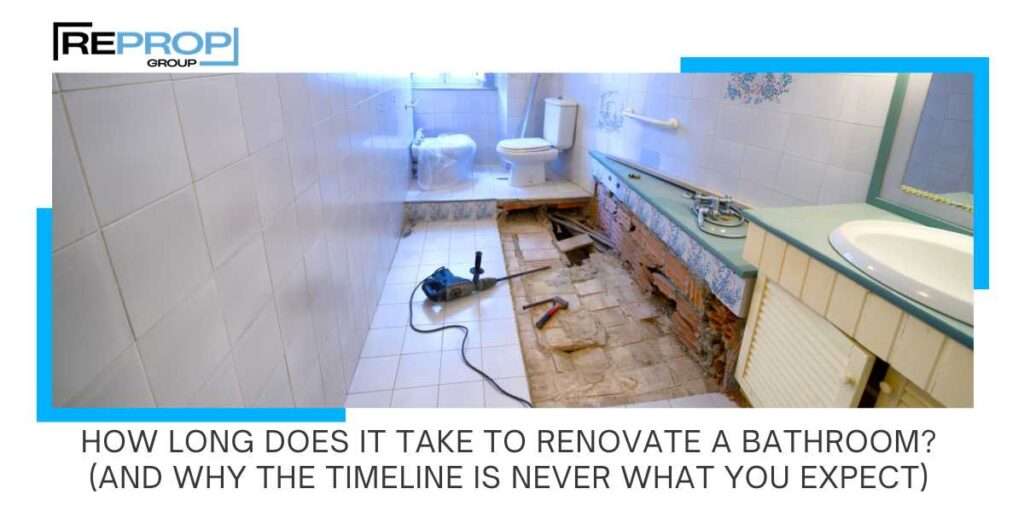
Bathroom renovations are often sold as quick, straightforward projects. A builder says “two to three weeks,” Pinterest makes it look effortless, and renovation shows somehow complete entire bathrooms during a single episode. Then reality hits.
For Melbourne homeowners, bathroom renovation timelines rarely go exactly to plan. Materials arrive late, hidden water damage appears behind old tiles, trades need to be rescheduled, and council or strata approvals can slow things down unexpectedly. What starts as a “simple update” can quickly turn into a multi-week process.
The truth is, bathroom renovations are one of the most complex projects inside any home. Plumbing, waterproofing, electrical work, tiling, ventilation, and structural considerations all need to align perfectly. Even a small delay in one stage can affect the entire schedule.
If you’re planning a renovation in Melbourne, understanding realistic timeframes can save you from budget stress, living disruptions, and costly mistakes.
The Average Bathroom Renovation Timeline in Melbourne
For a standard residential bathroom in Melbourne, a complete renovation usually takes:
- 2–4 weeks for construction
- 4–8 weeks total from planning to completion
The actual renovation work might only take a few weeks, but preparation stages often take longer than homeowners expect.
A realistic timeline usually includes:
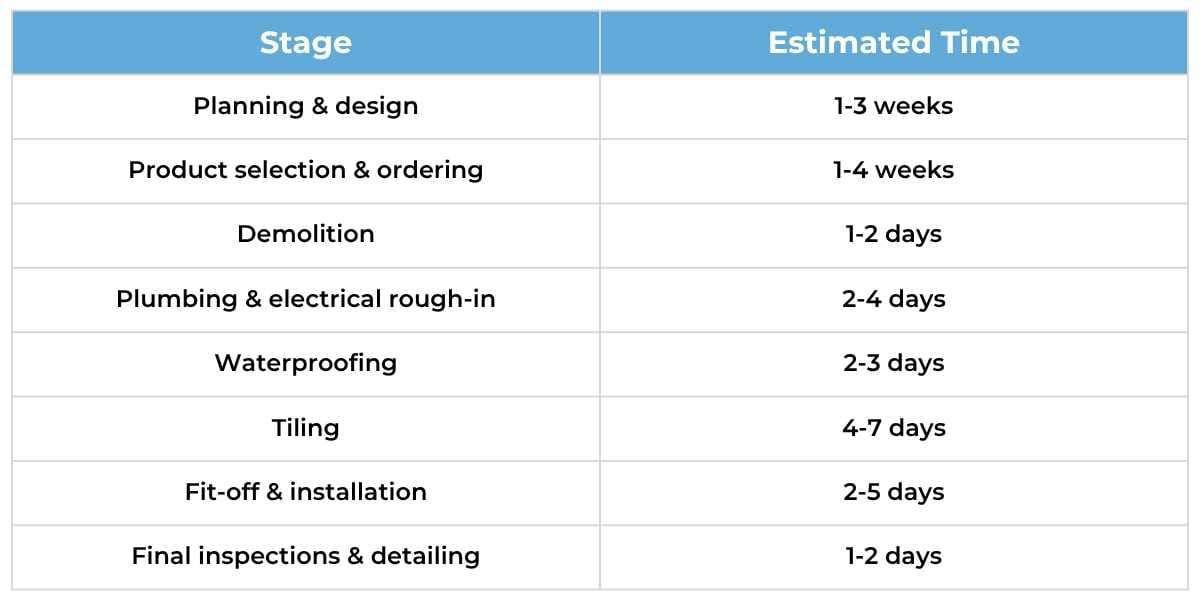
This is why experienced renovators always say the renovation starts long before the first tile is removed.
Why Bathroom Renovations Often Take Longer Than Expected
One of the biggest misconceptions homeowners have is assuming every stage happens back-to-back without interruption. In reality, bathroom renovations involve multiple licensed trades working in sequence.
A tiler cannot start until waterproofing cures properly. A plumber cannot install fixtures until cabinetry arrives. An electrician may need to return after mirrors and lighting are fitted.
Even small disruptions can create a domino effect.
In Melbourne’s current renovation market, delays commonly happen because of:
- Trade availability
- Imported material shortages
- Waterproofing compliance requirements
- Hidden structural issues
- Older plumbing systems
- Apartment or strata restrictions
- Permit approvals
- Changes requested mid-project
Many older Melbourne homes — especially in suburbs with period or mid-century properties — reveal unexpected issues once demolition begins. Rotten timber flooring, leaking pipes, mould, or non-compliant waterproofing are extremely common.
These hidden problems are one reason experienced builders avoid promising unrealistic completion dates.
The Planning Stage Takes Longer Than Most People Think
Most delays happen before construction even starts.
Homeowners often underestimate how long it takes to choose:
- Tiles
- Tapware
- Vanities
- Shower screens
- Lighting
- Fixtures
- Layout designs
- Colour palettes
In Melbourne, many premium bathroom products are imported. Some tiles or custom vanities can have lead times of 6–12 weeks.
This becomes a major problem when demolition begins before materials are ready.
Experienced renovation professionals usually recommend ordering all fixtures before construction starts. This avoids situations where trades are waiting on missing products while labour costs continue accumulating.
Planning is also where budget decisions become clearer. A bathroom that initially seems “basic” can quickly expand once homeowners begin upgrading finishes, storage, lighting, or layout functionality.
Older Melbourne Homes Add Complexity
Bathroom renovations in newer homes are generally faster because systems are modern and layouts are predictable.
Older Melbourne homes are different.
Suburbs filled with Victorian terraces, weatherboard homes, or ageing brick properties often contain:
- Outdated plumbing
- Uneven flooring
- Poor ventilation
- Water damage
- Asbestos
- Structural movement
- Non-compliant electrical work
These issues are rarely visible until demolition begins.
For example, removing old tiles may reveal water damage beneath the shower base that requires replacing subfloors. That repair alone can add several days to the timeline.
Similarly, older plumbing systems may need complete upgrades to meet current Australian standards.
This is why experienced renovators always include contingency time within their schedules.
Waterproofing Is One Stage You Should Never Rush
One of the most critical parts of any bathroom renovation is waterproofing.
In Australia, waterproofing must comply with strict building standards. Proper curing time is essential before tiling begins.
Some homeowners become frustrated when they see “no progress” for a day or two, but rushing waterproofing can create catastrophic problems later.
Poor waterproofing is one of the leading causes of bathroom failures in Australian homes. Leaks behind tiles can result in:
- Mould growth
- Structural damage
- Expensive repairs
- Insurance complications
- Reduced property value
Professional renovators understand that speeding through this stage often creates bigger problems down the track.
A trustworthy renovation company prioritises compliance and long-term durability over unrealistic completion dates.
Apartment Bathrooms Usually Take Longer
Apartment renovations in Melbourne often involve additional logistical challenges.
Many apartment buildings have:
- Restricted work hours
- Lift booking requirements
- Noise limitations
- Body corporate approvals
- Limited parking access
- Shared plumbing systems
Trades may also lose time transporting materials through lifts or narrow hallways.
In some buildings, waterproofing inspections or strata approvals can further delay the process.
Homeowners renovating apartments should always expect slightly longer timelines compared to standalone homes.
Custom Features Increase Renovation Time
Luxury or highly customised bathrooms naturally require more time.
Features that commonly extend timelines include:
- Custom joinery
- Curbless showers
- Stone benchtops
- Feature tiling
- Wall niches
- Skylights
- Underfloor heating
- Structural layout changes
While these upgrades can dramatically improve the final result, they also introduce additional coordination between trades and suppliers.
This is particularly common in high-end Melbourne renovation projects where homeowners want spa-style bathrooms rather than simple cosmetic upgrades.
The more tailored the design, the more flexibility the timeline requires.
Weather Can Affect Renovation Schedules
Many homeowners don’t realise Melbourne weather can impact indoor renovations too.
Cold temperatures and humidity can slow:
- Waterproofing cure times
- Adhesive drying
- Silicone setting
- Painting
- Ventilation processes
Rain can also affect material deliveries and external access to properties.
Winter renovations are still completely achievable, but experienced builders usually allow extra buffer time during colder months.
Why Cheap Renovation Timelines Can Be Risky
Some contractors advertise “7-day bathroom renovations” to attract homeowners looking for speed.
While rapid renovations are possible in very limited circumstances, ultra-fast projects can sometimes indicate corners being cut.
Common risks include:
- Inadequate waterproof curing
- Poor-quality workmanship
- Unlicensed trades
- Minimal project supervision
- Hidden shortcuts
- Incomplete compliance documentation
A bathroom is one of the highest moisture areas in any home. Mistakes are expensive to fix later.
Experienced Melbourne homeowners increasingly prioritise quality and reliability over unrealistic speed promises.
A properly renovated bathroom should last many years without leaking, cracking, or deteriorating prematurely.
Communication Is What Actually Keeps Renovations on Track
One major difference between stressful renovations and smooth renovations is communication.
Homeowners become frustrated when:
- Timelines constantly change
- Trades fail to arrive
- Costs suddenly increase
- Nobody explains delays
Experienced renovation teams provide realistic schedules upfront and communicate openly when unexpected issues arise.
No renovation is completely immune from delays. However, proactive communication helps homeowners understand:
- What’s happening
- Why delays occur
- What solutions are being implemented
- How the schedule is being adjusted
Transparency builds trust during the renovation process.
How to Reduce Delays in Your Bathroom Renovation
While some delays are unavoidable, homeowners can reduce problems significantly by preparing properly.
Choose Materials Early
Finalise fixtures, tiles, and fittings before demolition begins.
Avoid Mid-Project Design Changes
Changing layouts or finishes during construction almost always increases costs and delays.
Hire Experienced Trades
Qualified renovation specialists anticipate issues before they become major setbacks.
Build a Contingency Budget
Unexpected discoveries are common, especially in older Melbourne homes.
Allow Buffer Time
Never schedule important events immediately after your expected completion date.
Focus on Long-Term Quality
Fast renovations are not always better renovations.
Bathroom Renovations Are About More Than Appearance
A successful bathroom renovation is not just about aesthetics.
A well-designed bathroom improves:
- Daily functionality
- Storage efficiency
- Water efficiency
- Property value
- Buyer appeal
- Energy performance
- Long-term maintenance costs
In Melbourne’s competitive property market, updated bathrooms are one of the strongest value-adding improvements homeowners can make.
This is particularly important for ageing homes where outdated bathrooms can significantly reduce buyer interest.
Many homeowners undertaking a larger Home renovation Melbourne project often discover the bathroom becomes one of the most impactful upgrades in the entire property.
Final Thoughts
Bathroom renovations rarely follow the perfect timeline homeowners imagine at the beginning. Delays, hidden issues, product lead times, and trade coordination are all part of the reality of renovating.
However, a slower renovation done properly is almost always better than a rushed renovation filled with shortcuts.
Melbourne homeowners who approach bathroom renovations with realistic expectations, proper planning, and experienced professionals usually achieve far better long-term outcomes.
The goal should never be completing a bathroom as quickly as possible. The goal should be creating a functional, durable, high-quality space that adds value to your property and improves everyday living.
If you’re considering a bathroom upgrade as part of a broader property improvement strategy, working with experienced renovation specialists like Reprop Group can help ensure the process is managed professionally from planning through to completion.