
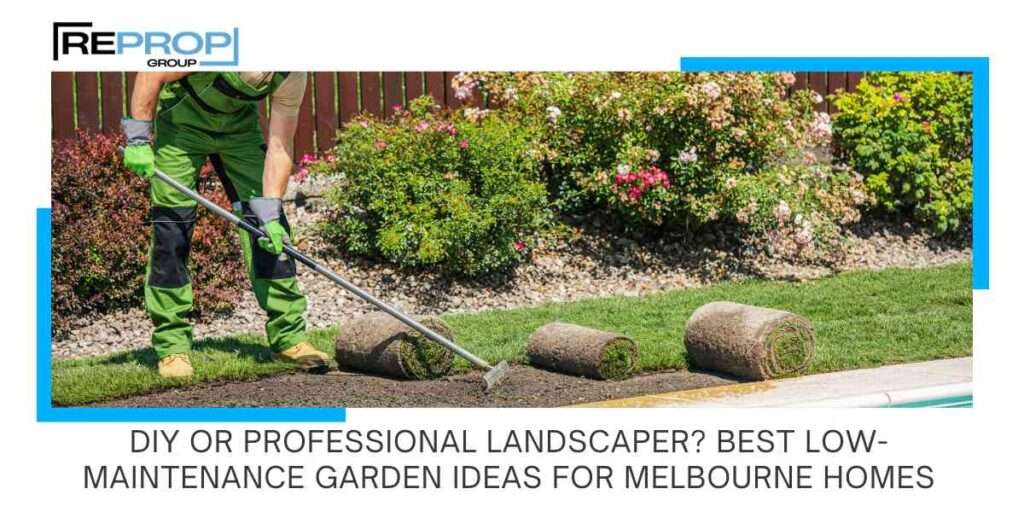
Beautiful gardens don’t have to be consumed every weekend of your life. Melbourne homeowners are turning to lower maintenance, year-round attractive and functional landscaping solutions.
One of the biggest decisions in planning a garden makeover is whether you do it yourself or hire a professional landscaper. DIY can save you money in the short term but a professional landscape will deliver better results in the long term, particularly if you want a low maintenance garden design.
In this guide we’ll compare both options and look at some of the best low maintenance garden ideas for Melbourne homes.
Why Low-Maintenance Gardens Are Growing in Popularity
Homeowners today are placing greater and greater importance on outdoor spaces that can be enjoyed but aren’t an everyday responsibility.
Several factors are driving this trend:
- Busy work and family schedules
- Rising water costs
- Ongoing garden maintenance expenses
- Melbourne’s variable climate conditions
- More attention to sustainable landscape designs
Many classic gardens require a lot of watering, fertilising, pruning and lawn care. On the other hand – low maintenance landscapes are meant to minimise the work required to maintain their appearance and functionality.
A low-maintenance garden can, when planned properly:
- Save time
- Reduce water usage
- Lower maintenance costs
- Improve property value
- Create year-round visual appeal
DIY Landscaping- The Potential Benefits
Many homeowners go with DIY because it offers flexibility and potential cost savings.
Lower Initial Costs
One of the biggest advantages of DIY landscaping is saving on labour costs. Homeowners only pay for materials, plants & equipment.
For smaller projects such as planting garden beds or laying down mulch – DIY can be a very real option.
Creative Control
DIY projects allow homeowners to make design decisions at every stage.
You can:
- Select plants personally
- Adjust layouts as you go
- Complete the project at your own pace
Personal Satisfaction
Many home owners like to build outdoor spaces themselves and get that satisfaction of seeing the end result.
For the gardening enthusiast – DIY landscaping can be rewarding and fun.
The Challenges of DIY Landscaping
DIY projects are fine for smaller jobs, but larger landscaping projects can get more complicated than expected.
Design Mistakes
The most common problems professionals encounter is poor planning.
Examples include:
- Choosing plants that outgrow the space
- Poor drainage design
- Incorrect plant placement
- Inadequate irrigation planning
These mistakes often lead to higher maintenance requirements and expensive corrections later.
Lack of Local Knowledge
Melbourne’s climate presents unique landscaping challenges.
Factors such as:
- Hot summers
- Variable rainfall
- Clay-based soils
- Frost-prone areas
Can have a major impact on plant performance and long term success.
Homeowners may choose plants that don’t do well without local landscaping knowledge.
Hidden Costs
DIY projects frequently exceed budget expectations.
Additional expenses often include:
- Equipment rental
- Soil improvements
- Drainage solutions
- Replacement plants
- Additional materials
In some cases – fixing DIY mistakes can cost more than hiring a professional from the beginning.
Why Professional Landscaping Often Delivers Better Long-Term Results
Professional landscapers have the experience, design skills and practical knowledge to make a difference to results on the project.
Professional Design Planning
Experienced landscapers evaluate:
- Property layout
- Drainage requirements
- Sunlight exposure
- Soil conditions
- Long-term maintenance goals
It means they can create a garden that is attractive, yet still practical to maintain.
Plant Selection Expertise
Choosing the right plants is one of the most important elements to a low-maintenance landscape.
Professionals understand-
- Which plants thrive in Melbourne
- Growth rates
- Water requirements
- Seasonal performance
- Ongoing maintenance needs
Choosing the right plants can be the difference between a garden that needs little maintenance for years or a garden that is forever a work in progress.
Efficient Installation
Professional installation helps avoid common issues such as:
- Poor drainage
- Uneven paving
- Irrigation failures
- Incorrect soil preparation
The result is a landscape that performs better and lasts longer.
What Landscaping Professionals Commonly See
Many landscapers are regularly called to repair or redesign DIY projects.
Common issues include:
Excessive Lawn Areas
Large lawns often become one of the biggest maintenance burdens for homeowners.
They require:
- Mowing
- Watering
- Fertilising
- Weed control
Many professional low-maintenance designs significantly reduce lawn coverage.
Overcrowded Planting
Homeowners usually underestimate how large plants will become.
This can lead to-
- Constant pruning
- Reduced airflow
- Increased disease risk
- Untidy garden beds
Drainage Problems
Poor drainage is one of the most expensive landscaping mistakes.
Water pooling can damage-
- Plants
- Turf
- Pathways
- Foundations
Proper drainage planning helps prevent these issues.
Best Low Maintenance Garden Ideas for Melbourne Homes
1. Native Australian Plants
Native plants are naturally adapted to local conditions.
Benefits include:
- Lower water requirements
- Reduced fertiliser needs
- Greater drought tolerance
- Excellent wildlife support
Popular options include:
- Lomandra
- Kangaroo Paw
- Grevillea
- Westringia
- Correa
These plants provide year round interest with minimal maintenance.
2. Drought Tolerant Planting
Melbourne summers can be very demanding for traditional gardens.
Drought tolerant species will help you cut down on water use, but still look good.
Some examples are:
- Agave
- Lavender
- Rosemary
- Succulents
- Coastal grasses
Many of these plants thrive with limited irrigation.
3. Mulched Garden Beds
Mulch is one of the best tools to cut down on maintenance.
Benefits include-
- Weed suppression
- Moisture retention
- Soil temperature regulation
- Improved appearance
Organic mulch can also improve the health of your soil over time.
4. Decorative Gravel and Stone Features
The gravel garden is a growing trend in Melbourne.
They provide:
- Excellent drainage
- Minimal maintenance
- Modern aesthetics
- Reduced water use
Decorative stone can replace large lawn areas while adding visual interest.
5. Automated Irrigation Systems
Watering is frequently one of the most time consuming gardening chores.
Smart irrigation systems:
- Reduce water waste
- Improve plant health
- Minimise manual watering
- Adjust to seasonal conditions
Professionally designed irrigation systems mostly pay for themselves in water savings.
6. Raised Garden Beds
Raised garden beds improve both appearance and functionality.
Advantages include:
- Better drainage
- Easier maintenance
- Improved plant access
- Enhanced visual structure
They are particularly useful for compact Melbourne properties.
7. Evergreen Screening Plants
Many home owners want privacy.
Evergreen screening plants provide cover all year round and are less maintenance than upgrading fences.
Popular choices include:
- Lilly Pilly
- Viburnum
- Photinia
- Pittosporum
When properly selected, these plants require only occasional pruning.
8. Outdoor Living Spaces
Low maintenance landscaping is more than just plants.
Outdoor living areas typically feature:
- Paved entertaining zones
- Decking
- Fire pits
- Outdoor seating areas
These features reduce maintenance while increasing property usability.
Cost Considerations: DIY vs Professional Landscaping
DIY Costs
DIY projects may appear less expensive initially.
However, costs can quickly increase due to:
- Material waste
- Equipment hire
- Plant replacement
- Drainage corrections
- Design changes
Professional Landscaping Costs
It can be costly to hire a professional landscaper but potentially less expensive in the long run.
Benefits include:
- Proper planning
- Reduced maintenance
- Better material selection
- Fewer costly mistakes
- Increased property value
For larger projects – professional landscaping frequently delivers better overall value.
How to Decide Which Option Is Right for You
DIY landscaping may be suitable if:
- The project is small
- You have gardening experience
- Time is not a concern
- Design complexity is limited
Professional landscaping is often the better choice when:
- Drainage issues exist
- Significant excavation is required
- Structural landscaping is involved
- Long-term maintenance reduction is a priority
- Property value enhancement is important
The more complex the project becomes, the greater the benefits of professional expertise.
Frequently Asked Question
What is the lowest maintenance garden option?
Gardens with – mulch, decorative stone, automated irrigation and native plants tend to have the least maintenance.
Do low-maintenance gardens increase property value?
Yes. Good looking functional outdoor spaces can frequently increase buyer appeal and overall presentation of the property.
Are native plants always the right choice?
Melbourne is a great place for native plants but a mix of native and exotic plants suitable for the climate can also create great results.
Is landscaping worth the investment?
For many homeowners, professional landscaping increases usability, appearance & long term property value while decreasing maintenance needs.
How often do low maintenance gardens require upkeep?
Well designed low maintenance gardens need only seasonal pruning, perhaps some mulching and basic plant care.
Conclusion
Clever planning, appropriate plant choices & a design that suits Melbourne’s climate are the key ingredients to a low maintenance garden. DIY projects can be effective for simple upgrades, but professional landscaping often yields better long-term results, lower maintenance needs, and a higher return on your property’s value.
Reprop Group can help you create and build a beautiful and easy to maintain outdoor space if you want expert garden landscaping Melbourne services. Contact Reprop Group today to discuss your landscaping project and turn your garden into a space you can enjoy all year round.